Light Like a Pro: Making Small Rooms Feel Grand
Today we dive into smart lighting plans that make small rooms feel grand, showing how layered illumination, thoughtful color temperature, discreet fixtures, and intelligent controls can visually expand walls, lift ceilings, and invite comfort. Expect practical steps, inspiring mini case studies, and interactive ideas you can try tonight.




Color Temperature, Contrast, and Spaciousness
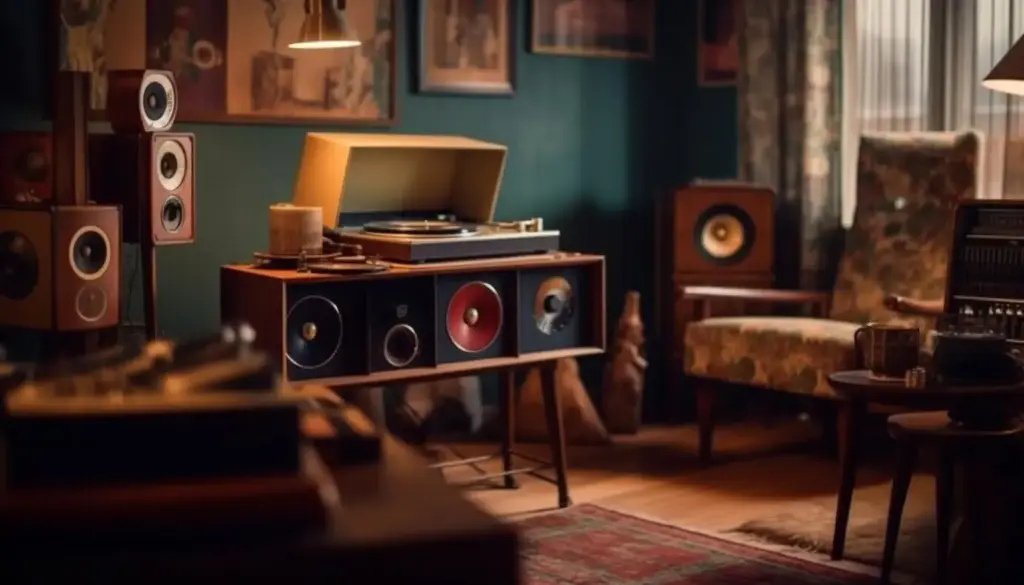
Perception of size responds to color temperature as much as brightness. Warmer whites feel cozy and intimate, cooler whites feel crisp and expansive, and a thoughtful mix keeps faces flattering while maintaining clarity. By pairing warm accents with neutral ambient light, you maintain comfort without claustrophobia. Use contrast deliberately to frame paths and broaden sightlines.

Fixtures That Disappear but Transform Everything
The smaller the room, the more important it is to remove visual clutter while adding flexible light. Trimless recessed modules, slender tracks, and low-profile sconces shape the environment without demanding attention. When fixtures recede, the room’s edges, textures, and volumes take center stage, letting the lighting quietly perform its magic behind the scenes.
Smart Controls, Scenes, and Routines

Dimming Curves That Flatter Small Surfaces
Not all dimming is equal. Choose drivers that dim smoothly to at least one percent without flicker, banding, or color shift. Gentle fades avoid “on/off shock” that flattens perception. A refined curve lets you settle into candlelight levels after dinner, enhancing the sensation of depth while maintaining legibility around edges and architectural details near seating.
Sensors, Geofencing, and Responsive Comfort
Occupancy sensors prevent over-lighting tiny rooms, switching to low night levels for safe navigation. Geofencing presets welcome you with a calm scene as you arrive. These quiet helpers are especially valuable where switches are inconvenient. They conserve energy, reduce fiddling, and keep the illusion of expansiveness intact by maintaining consistent, gentle light levels regardless of time.
Voice, Apps, and Guest-Friendly Simplicity
Powerful systems can overwhelm visitors. Offer a single physical dimmer or labeled scene keypad, while keeping advanced options in your app. Simple words like “bright,” “relax,” or “movie” trigger well-tuned combinations. Clear affordances encourage use, reduce accidental glare, and keep your carefully crafted spaciousness intact when friends, kids, or renters interact with the room’s everyday lighting.
Ceilings, Corners, and the Power of Indirect Glow
Aim light upward into a pale ceiling, then let that glow fall softly across walls and furniture. Indirect strategies reduce glare, hide hotspots, and make corners visually retreat. Even a narrow cove with a dimmable strip can lift the ceiling line, smoothing transitions and creating a gentle canopy effect that feels calm, gracious, and quietly expansive.
Choosing Sheens and Textures That Multiply Light
High-gloss can magnify brightness but also mirror clutter. Instead, pair matte walls with satin trims or silk lampshades that diffuse highlights. Natural textures like linen, brushed metal, or limewash scatter light softly. The result is complexity without chaos, a refined shimmer that stretches perception and keeps attention moving across surfaces rather than stopping at boundaries.

Studio Apartment That Learned to Breathe
A single overhead fixture made the studio feel low and cluttered. We added a cove with tunable LEDs, a wall wash behind open shelving, and a focused reading lamp. The bed nook relaxed, the kitchenette sparkled, and visitors swore the ceiling grew. Scenes simplified life: morning clarity, afternoon productivity, and candlelight calm for late-night wind-downs.
A Hallway That Finally Stopped Feeling Narrow
This corridor had strong downlights and heavy shadows that tunneled the path. We re-aimed light onto walls with linear grazers and added a soft floor washer near the baseboards. Vertical brightness widened perception, while the low glow guided at night. The homeowner now notices art, not drywall edges, and guests no longer rush through uneasily.
Budget, Efficiency, and Future-Proof Confidence
Start Small, Learn Fast, Scale Wisely
Replace a harsh bulb with a dimmable, high-CRI lamp and add one indirect source. Take notes for a week: energy use, comfort, and perceived size. When results improve mood and clarity, extend the strategy. Iteration beats perfection, especially in tight rooms where small adjustments compound, inviting confidence, creativity, and better everyday enjoyment without overspending.
Read the Specs Without Getting Lost
Look for high color rendering, flicker-free dimming, and honest beam angles. Ignore inflated wattage claims and focus on delivered lumens where you need them. Choose drivers compatible with your dimmers, and favor reputable brands for consistency. Good documentation saves returns, prevents headaches, and ensures your carefully layered plan behaves predictably in real-world, lived-in conditions.
Design for Maintenance and Long-Term Flexibility
Favor replaceable lamps over sealed fixtures in hard-to-access spots. Keep spare bulbs, label scenes, and document color temperatures so replacements match. Consider modular tracks for evolving layouts. Maintenance-friendly choices preserve visual comfort, sustain energy savings, and protect the spacious feeling you worked to create, keeping your investment adaptable as needs, tenants, or tastes inevitably change.

All Rights Reserved.